Platelet-rich plasma therapy — PRP — is a clinical treatment that uses a concentrated preparation of the patient's own blood to accelerate tissue repair, reduce inflammation, and stimulate cellular regeneration. It is not an external substance. It is a refined version of what the body already contains, processed to concentrate the growth factors and platelets that drive the healing process, and then reintroduced precisely where healing is needed.
At Holina Healing Centre, blood plasma rejuvenation is used as a component of the longevity and physical restoration programme — applied where physical renewal, cellular repair, and anti-inflammatory benefit are clinically relevant goals alongside the psychological and somatic work of recovery. It is always overseen by clinical staff and integrated with the broader therapeutic plan.
Blood is drawn in a small amount — typically thirty to sixty millilitres — and placed in a centrifuge that spins it at high speed, separating the components by density. The resulting platelet-rich plasma contains a concentration of platelets two to five times higher than that found in normal blood, along with the growth factors they carry: proteins that signal the surrounding tissues to begin repair processes, stimulate collagen production, and regulate inflammation. This concentrated biological preparation is then applied where healing is needed.
PRP works by amplifying the body's own repair mechanisms rather than introducing foreign substances. When concentrated growth factors are introduced to an area of tissue, they accelerate the cascade of healing processes that the body would undertake anyway — but at a pace and concentration that naturally occurring plasma cannot match. This autologous approach — using the patient's own biology — eliminates compatibility concerns and reflects a philosophy of working with the body's intelligence rather than overriding it.
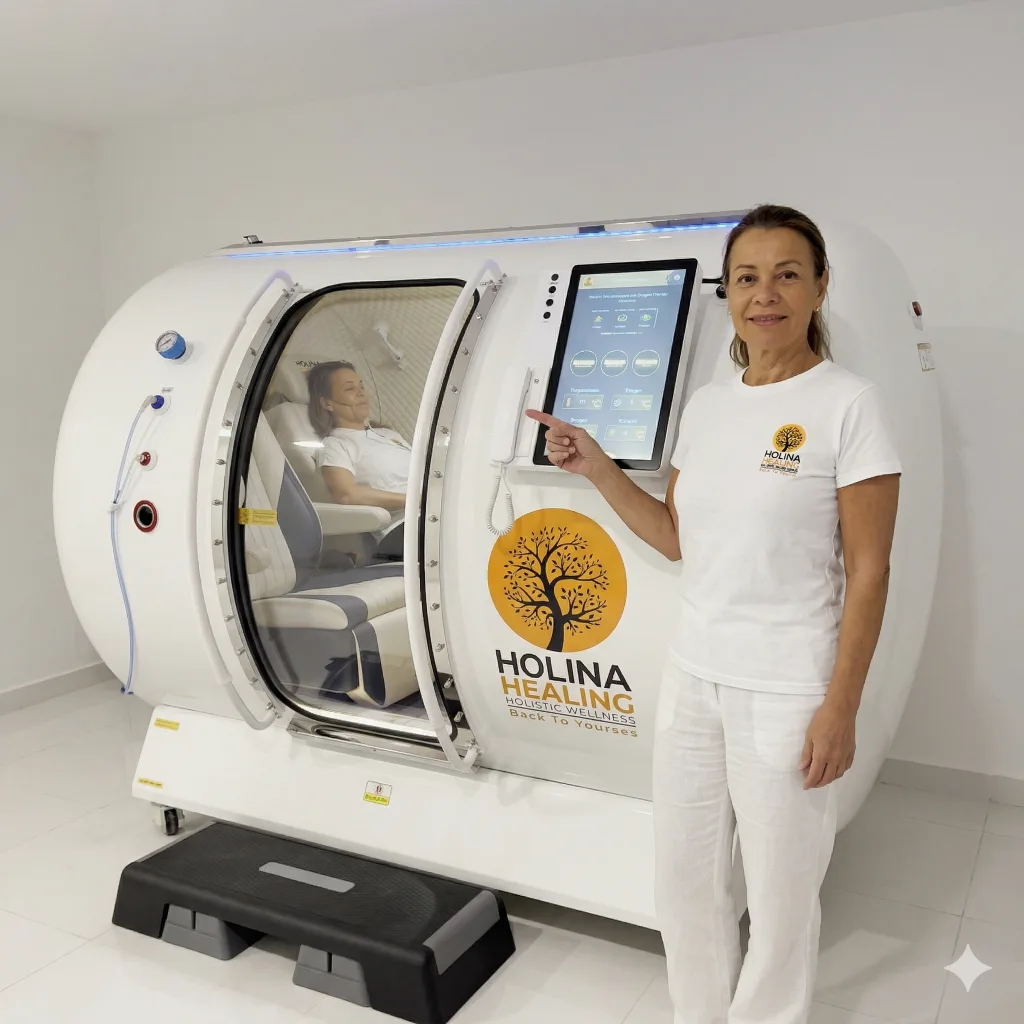
Before any blood plasma treatment is conducted, a thorough clinical assessment ensures that PRP is appropriate for your specific goals and health history. The protocol — including application site, concentration, and number of sessions — is designed around your individual clinical profile rather than a standard procedure. At Holina, this is not a cosmetic treatment applied without clinical context. It is a medically informed intervention, sequenced with the other physical and psychological therapies of your programme.
A session begins with a small blood draw, typically from the forearm. The sample is processed in a clinical centrifuge for approximately fifteen minutes to produce the platelet-rich plasma. The concentrated preparation is then applied to the treatment site — by injection into joints, tendons, or scalp, or by micro-needling for skin applications — using precise, sterile technique. The entire procedure typically takes forty-five to ninety minutes depending on the application.
Mild redness, swelling, or sensitivity at the treatment site is normal in the first twenty-four to seventy-two hours and reflects the inflammatory phase that begins the healing cascade. Most clients resume normal programme activities within a day of treatment, though specific recommendations vary by application site. Your clinical team will advise on post-treatment care appropriate to your protocol.
Sessions are conducted in a clean, clinical environment within the Holina centre by staff trained in PRP application. The procedure is designed to be as comfortable as possible — topical anaesthetic is applied where appropriate before any injections, and the blood draw involves only the brief, standard discomfort of any clinical blood collection.
Blood plasma rejuvenation integrates naturally with the physical restoration and longevity components of the Holina programme:
PRP is considered highly safe because it uses the patient's own blood, eliminating the risk of allergic reaction or compatibility issues. At Holina, all treatments are conducted using sterile technique by trained clinical staff. As with any injectable procedure, there is a small risk of localised infection or bruising at the application site, which is minimised by strict clinical protocols.
The optimal number of sessions depends on the application and your individual response. Skin and hair applications typically benefit from a course of two to three sessions spaced four to six weeks apart. Joint applications may involve one to three sessions depending on the severity of the condition. Your clinical team will advise a protocol based on your specific goals and response to initial treatment.
PRP works by initiating biological repair processes that unfold over weeks rather than producing immediate visible changes. Clients typically begin to notice improvements four to eight weeks after treatment as the healing cascade completes. Full results from a course of treatment are usually visible at three to four months.
Some blood-thinning medications affect platelet function and may impact the efficacy of PRP or require temporary cessation before treatment. Your full medication history will be reviewed during clinical intake. Please disclose all current medications during your initial assessment so we can advise appropriately.
Yes — in fact, PRP works particularly well as part of a combined longevity protocol. At Holina it is commonly used alongside HBOT, IV vitamin therapy, and stem cell therapy, each of which supports different dimensions of cellular health and repair. Your clinical team will advise the most effective sequencing for your specific programme.
All enquiries are completely confidential. No obligation. We respond personally.
Begin Your Consultation →