Khao Yai National Park, Thailand info@holinahealing.com
+66 (0) 82 113 0657 +66 (0) 92 618 5015  (สอบถามภาษาไทย)

Chronic Pain Management
Thailand — Holina Healing.

Chronic pain is rarely only physical.
The nervous system is always involved.

Pain serves a purpose. It is the body's signal that something needs attention — an injury, an infection, a threat. But when pain persists long after the original cause has healed, or when it arises without a clear physical cause, the problem is no longer simply in the tissue. It is in the nervous system that is generating, amplifying, and maintaining the pain signal. This is not imaginary pain. It is real pain produced by a real process — one that happens to be neurological rather than structural.

At Holina Healing Centre, we treat chronic pain by addressing both dimensions: the physical, where targeted treatments support tissue repair and reduce inflammation, and the neurological, where somatic therapy, nervous system regulation, and polyvagal work address the central sensitisation and survival responses that keep chronic pain running. This integrated approach reaches what purely physical interventions — and purely psychological ones — miss when they work in isolation.

Why chronic pain is rarely just physical

Research into chronic pain has produced a profound shift in clinical understanding over the past two decades. Central sensitisation — the process by which the nervous system becomes hypersensitive to pain signals after prolonged exposure — is now understood to be a significant driver of many chronic pain conditions. This means the nervous system itself has become part of the problem, amplifying signals that the body would otherwise modulate. Effective treatment must address this neurological dimension directly, not only manage symptoms at the tissue level.

Trauma, stress, and the pain cycle

There is a well-documented relationship between trauma, chronic stress, and chronic pain. Unresolved trauma and sustained nervous system activation lower the pain threshold, increase pain sensitivity, and can produce physical pain symptoms in the absence of structural injury. For many people with chronic pain, trauma is not a background factor — it is a primary driver. Treating the pain without addressing the nervous system that is producing it rarely produces lasting relief.
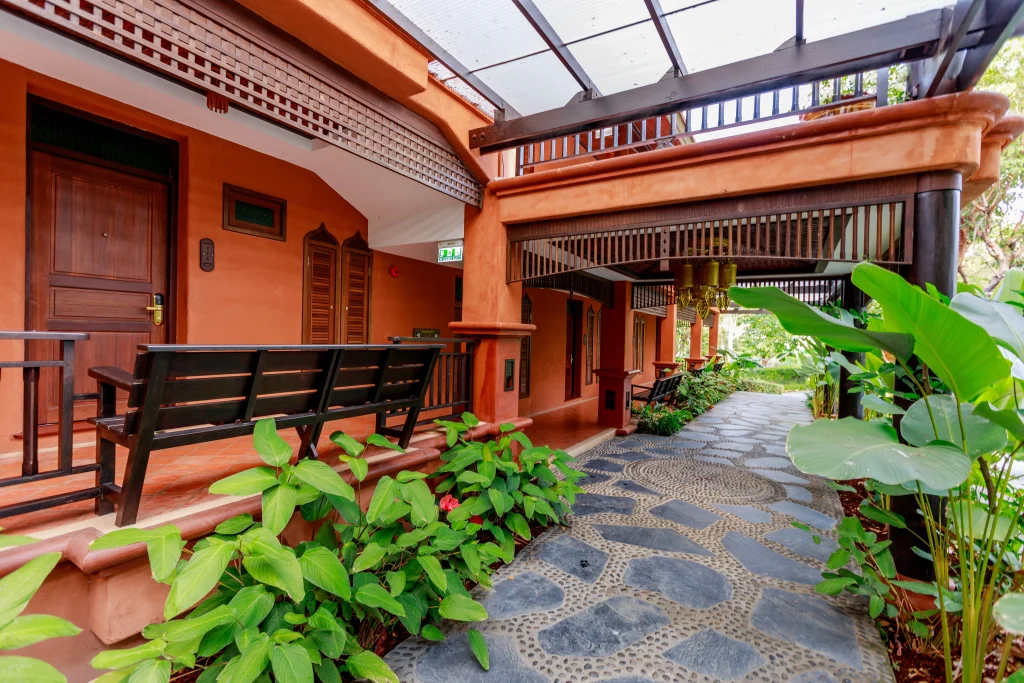
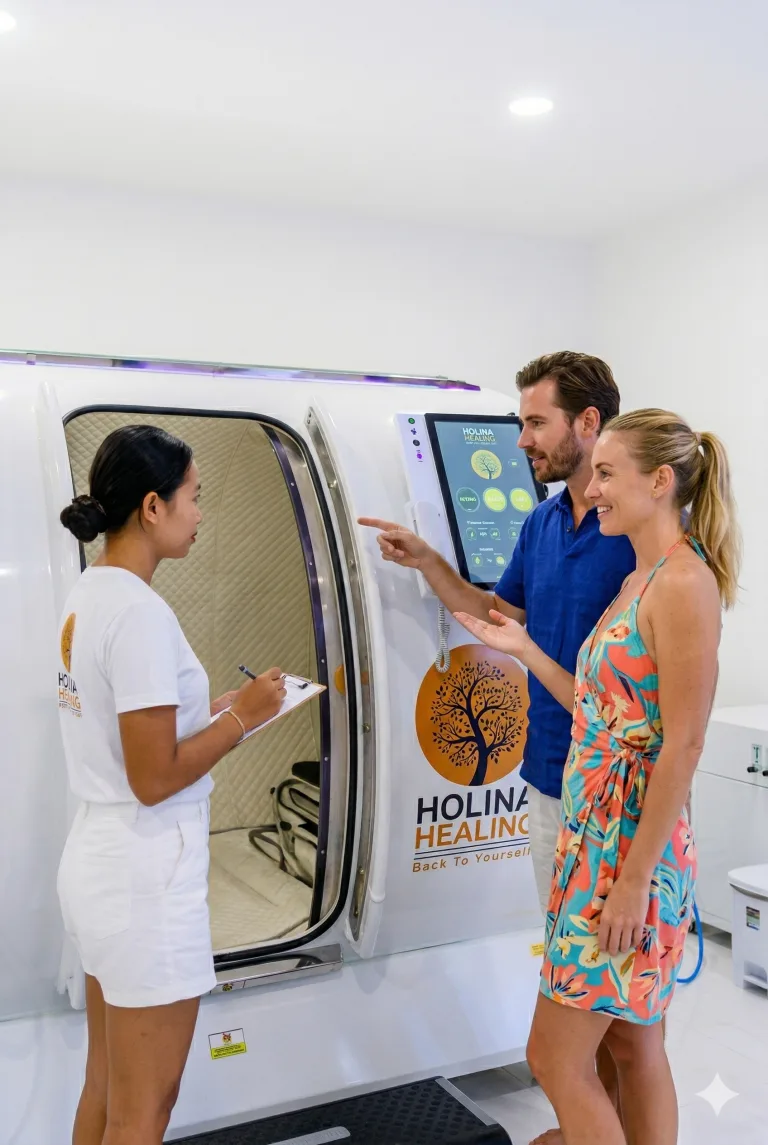
Chronic pain management retreat Thailand
CONDITIONS WE SUPPORT

Chronic pain conditions addressed
at Holina.

Fibromyalgia

Characterised by widespread musculoskeletal pain, fatigue, and sleep disruption, fibromyalgia is a nervous system sensitisation condition that responds well to the nervous system regulation and somatic approaches at the heart of Holina's programme.

Chronic back and neck pain

Persistent spinal pain, particularly where structural causes have been ruled out or treated without lasting improvement, frequently involves central sensitisation and stress-related muscular holding that requires both physical and neurological intervention.

Headaches and migraines

Chronic headache conditions with a significant nervous system and stress component respond to nervous system regulation, somatic release of held tension in the neck and upper body, and the reduction of the sustained sympathetic activation that triggers episodes.

Inflammatory conditions

Chronic inflammation underlying conditions such as arthritis, inflammatory bowel disease, and autoimmune pain syndromes is amplified by nervous system dysregulation and benefits from both targeted physical treatment and systemic nervous system support.

Pelvic pain

Chronic pelvic pain, particularly where trauma or stress are contributing factors, responds to the trauma-informed, body-based approaches that form the core of the Holina somatic programme alongside targeted physical interventions.

Unexplained pain

Persistent pain for which no structural cause has been identified is frequently a nervous system and stress response condition. Holina's integrated approach is specifically designed for situations where conventional medicine has reached its limits.

How Holina treats chronic pain —
physical and neurological, together.

Nervous system regulation as the foundation

Everything begins with calming the nervous system that is generating and amplifying the pain. Polyvagal-informed therapy and somatic work help the body find states of safety that reduce the baseline arousal underlying central sensitisation. As the nervous system becomes less hyperactivated, the pain signal begins to modulate — not through suppression, but through genuine change in the system generating it.

Somatic therapy and body-based release

Chronic pain is held in the body's muscular and fascial patterns as well as in the nervous system. Somatic therapy works directly with the holding patterns, tension, and survival responses that the body has been carrying — often for years. Releasing these at the tissue level, while simultaneously addressing the nervous system driving them, creates the conditions for genuine and lasting pain reduction.

Physical treatments that support repair

Alongside the neurological and somatic work, targeted physical interventions address the tissue dimension of chronic pain directly. Therapeutic massage reduces inflammation and muscular holding. HBOT and IV vitamin therapy support cellular repair and reduce systemic inflammation. Yoga therapy builds the body's capacity to inhabit pain-affected areas with less reactivity. Together these physical approaches support the structural dimension of recovery while the somatic and psychological work addresses the neurological.

Individual psychotherapy

For many people with chronic pain, there is significant psychological weight — grief, frustration, loss of identity, the accumulated cost of years of reduced capacity. Individual psychotherapy provides the space to address this psychological dimension and to work with any traumatic or stressful experiences that may be maintaining the nervous system activation underlying the pain.

Therapeutic massage for chronic pain Holina Healing
Residential chronic pain programme Khao Yai Thailand

Chronic pain at Holina —
an integrated residential approach.

The complexity of chronic pain — its physical, neurological, and psychological dimensions — means that meaningful change requires more than any single intervention. The residential programme at Holina provides the time, the therapeutic range, and the continuous immersive environment that chronic pain treatment genuinely needs.

  • Assessment-first approach — a thorough clinical intake maps the specific dimensions of your pain condition, its history, its triggers, and its relationship to nervous system state before any treatment begins
  • Multiple modalities working together — somatic therapy, polyvagal work, therapeutic massage, HBOT, yoga therapy, and individual psychotherapy are sequenced to support each other rather than working independently
  • Daily nervous system regulation practice — morning movement, meditation, and breathwork build the regulatory capacity that reduces the baseline arousal driving central sensitisation
  • Progress tracked objectively — pain levels, sleep quality, functional capacity, and physiological markers are monitored across the programme so that adjustments can be made as your response becomes clear
  • Integration and aftercare — the programme closes with a personalised aftercare plan designed to sustain the nervous system regulation and physical practices that have produced improvement

People who come to Holina
for chronic pain tend to:

  • Have been in pain for months or years, with partial or temporary improvement from previous interventions but no lasting resolution
  • Recognise that stress, anxiety, or unresolved experiences may be playing a role in their pain, even if conventional treatment has not addressed this dimension
  • Have had structural causes investigated and either ruled out or treated, with pain persisting despite physical resolution
  • Find that their pain worsens significantly during periods of stress, emotional difficulty, or poor sleep — suggesting a significant nervous system component
  • Want a comprehensive approach that addresses physical, neurological, and psychological dimensions simultaneously rather than one at a time
  • Are ready to give themselves the time and therapeutic depth that chronic pain resolution genuinely requires
Chronic pain recovery retreat Holina Healing Thailand
Related at Holina: Somatic Therapy HBOT Therapeutic Massage Chronic Pain Recovery Programme All Programmes
COMMON QUESTIONS

Chronic pain treatment at Holina —
questions people ask.

Is Holina a medical facility for chronic pain?

Holina is a psychological and wellness facility. We work with the nervous system, somatic, and psychological dimensions of chronic pain rather than providing medical diagnosis or orthopaedic treatment. Our approach is most effective for pain conditions with a significant neurological, stress, or trauma component. We work transparently with your existing medical team and will never advise you to discontinue medical treatment.

Do I need a medical diagnosis before coming?

No. Many people arrive with a diagnosis and a history of treatment; others come with persistent pain that has not yet been formally diagnosed or for which no structural cause has been found. What matters is whether the approach we offer is relevant to your situation, which we assess honestly during your intake conversation.

How long should I plan to stay for chronic pain treatment?

The complexity of chronic pain means that meaningful change typically requires a minimum of four to six weeks. Shorter stays can provide significant relief and useful tools, but lasting change in the nervous system sensitisation and holding patterns underlying chronic pain takes time. We will discuss your specific situation and recommend an appropriate programme length during your intake call.

Can Holina's approach help if I have been told my pain is psychosomatic?

Yes — and the framing of pain as "psychosomatic" often underestimates the physiological reality of what is happening. Pain produced or amplified by the nervous system is not imaginary. It is physically real, produced by real neurological processes that respond to real clinical intervention. Holina's approach directly addresses these processes and has produced meaningful results for people who have been told their pain has no physical basis.

Will I be able to manage my pain better after leaving Holina?

The programme is specifically designed to give you tools, practices, and physiological changes that you carry home. The nervous system regulation practices, somatic awareness skills, and physical approaches developed during your stay are intended to continue producing benefit long after you leave. The aftercare plan developed in your final week supports this continuity.

Pain that persists is the nervous system
asking to be heard. We know how to listen.

All enquiries are completely confidential. No obligation. We respond personally.

Begin Your Recovery →
+66 (0) 82 113 0657  ·  +66 (0) 92 618 5015
info@holinahealing.com  ·  Khao Yai National Park, Thailand
Have a Question?
Confidential Enquiry

Begin Your Recovery

All enquiries are completely confidential. No obligation.

This field is for validation purposes and should be left unchanged.
Full Name